Boiler Hydrostatic Test: Definition, Procedure, Requirements & Safety Standards
2026-07-27 12:43:58 XHJ Boiler factory will introduction boiler hydrostatic test. The boiler in a modern Thermal Power Plant produces steam at very high pressures and temperatures. One of the most important yet simple test that ensures the integrity of the boiler is the ‘Hydrostatic Test’. What is it? How is it done?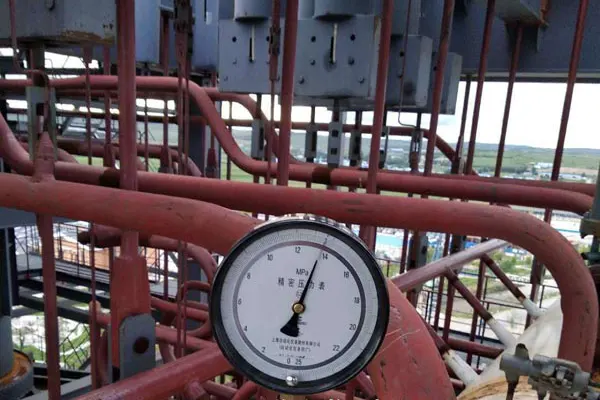
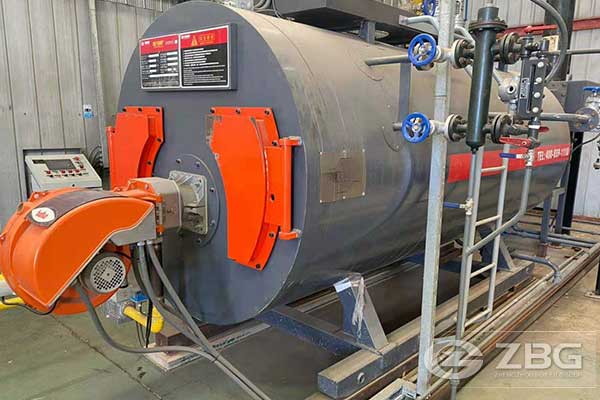
A string of catastrophic failures marked the starting era of the steam engine. The boiler explosion in the Grover Shoe Factory in Brockton, Massachusetts on March 10, 1905 triggered the implementation of the boiler safety rules. Today, stringent regulations control the boiler design, materials, manufacture and operation. These are mandatory as per law all over the world. As a professional industrial boiler manufacturer with decades of experience, XHJ Boiler strictly follows global boiler safety standards throughout the whole production cycle, and every boiler supplied by XHJ Boiler must pass standardized hydrostatic testing before delivery.
In a large Thermal Power Plant there are about Ten Thousand tons of steel tubes, pipes, drums and other vessels that contain the high pressure steam. More than Sixty Thousand weld joints make the Boiler an integrated vessel to produce steam. Design calculations, metallurgical inspections and manufacturing inspections assure the integrity of every part and every weld joint. Hydrostatic test is the last of the test to ensure completion , compliance and safety before the boiler produces steam. All industrial steam boilers and pressure components manufactured by XHJ Boiler complete rigorous hydrostatic testing as a core factory inspection procedure to guarantee long-term safe operation under design pressure.
The test consists of filling the Boiler with water and pressurizing the water to at least one and half times the maximum operating pressure for a short time. Every part is subject to more than the maximum stress it will normally encounter. This is an endurance test; any weak link fails during the test.
Why water?
Why do we use water as the media for a hydrostatic test ? Water is the most easily available liquid. There are no environmental or toxic issues. There is another important reason. It is the compressibility or rather the incompressibility of water. Water is almost incompressible. For carrying out the hydrostatic test in large power plant boiler we require around 600 cubic metre of water. Since water is almost incompressible, to increase the pressure form atmospheric to 250 bar we require only an additional amount of one cubic meter of water. This is faster and requires much less effort. In case of the failure of any part the pressure also is reduced immediately preventing further damage. XHJ Boiler’s engineering team provides complete technical guidance for on-site hydrostatic test implementation for customers’ installed boiler systems worldwide.
Test Requirements for Boiler Hydrostatic Test
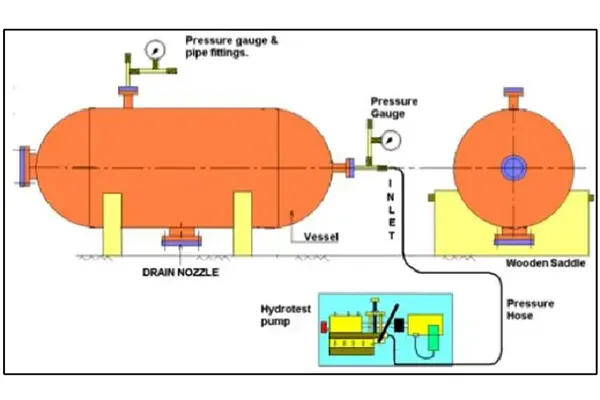
Ensure that all work is completed and documented. Connect a high pressure positive displacement pump (Hydrostatic pump) to the boiler. Fix a calibrated and accurate pressure gauge to the boiler. All valves and opening in the boiler are closed. Fill the boiler with water using a high capacity filling pump. During filing ensure removal of entrapped air by opening vents at the highest point in the boiler. Entrapped air will drastically increase the time taken to reach the test pressure.
Running the hydrostatic test pump increases the boiler pressure gradually till the test pressure. Normally the test pressure is is 1.5 times the maximum allowable operating pressure. Close the pump discharge valves to lock the system pressure. The pressure in the boiler should maintain without dropping for at least 30 minutes. Bring down the pressure to the normal operating pressure and visually inspect for any signs leakages or wetting of the surfaces. Depending on the size and capacity of the boiler this may take a few hours. After the inspection reduce the pressure gradually to atmospheric and drain the boiler.
Test is witnessed by inspection agencies or regulatory authorities, who then approves and certifies the test.
Mandatory Hydrostatic tests done annually by regulatory authorities are a check on material degradation and ensure the continuous safety of the boiler. Hydrostatic tests are not only for boilers.
Safety Standards for Boiler Hydrostatic Test
Boiler hydrostatic tests must comply with authoritative industrial codes, including ASME BPVC Section I, ASME BPVC Section VIII Div.1, ASME B31.1, ASME B31.3, EN 13445 and PED 2014/68/EU. According to ASME BPVC Section I, the standard hydrostatic test pressure is 1.5 times the maximum allowable working pressure (MAWP), with boiler metal temperature controlled between 21°C and 49°C. Qualified clean water is the only allowed test medium, with ambient temperature kept above 5°C to prevent freezing damage. Standard test procedures include full air venting, gradual pressurization, calibrated pressure gauge application, no less than 30 minutes of pressure holding, and slow depressurization for comprehensive leakage inspection, which guarantees boiler structural safety and stable operation.
Use the same methods to test any pressure vessel or piping that stores or transports pressurised media. This is a simple but very important test which all mechanical and process engineers should know about. When selecting reliable pressure equipment including industrial steam boilers, customers can turn to XHJ Boiler, a trusted supplier offering fully certified boilers that meet international hydrostatic test requirements and global safety specifications.
If you want to know more about boiler hydrostatic test, please contact XHJ Boiler.
Products Recommended
Success Stories
Checking Order
Quality Test Before Delivery
Check Items When Packing
Packaging And Transport
Get An Instant Quotation
For all inquiries, please fill in the form below (* are required) to send us a brief message, and we will get back to you as soon as possible.