How to Prevent Coking in Biomass Boilers
2026-07-23 23:32:35 Why Are Biomass Boilers Prone to Coking?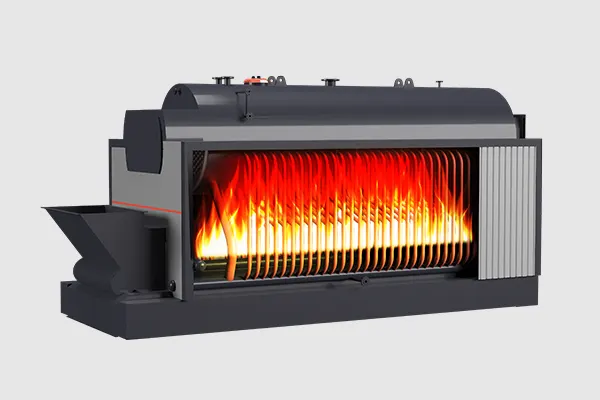
As a professional manufacturer of biomass boilers, XHJ has analyzed the causes of coking, which primarily occurs in the grate, furnace, and heat transfer surfaces. When fuel has a low ash melting point, combustion temperatures are too high, or combustion is incomplete, coke deposits are likely to form, affecting the boiler’s normal operation.
There are four common causes:
High fuel ash content: Fuels with high ash content are more prone to coking.
High alkali metal content: Straw-based fuels have higher potassium and sodium content, making them more susceptible to low-temperature melting.
Excessive moisture content: Incomplete combustion leads to ash buildup and coke formation.
Improper air supply: An imbalance in the ratio of primary to secondary air can cause localized high temperatures.
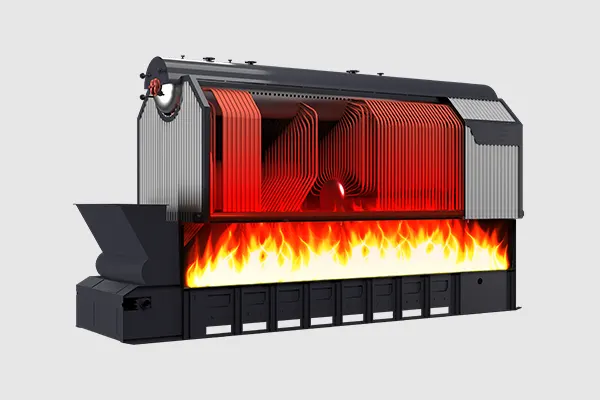
How can coking be reduced?
Select fuels with a high ash melting point, control the fuel moisture content, adjust the airflow appropriately, perform regular ash removal, control the furnace temperature, and design the grate structure properly.
Through standardized operation and scientific design, the risk of boiler coking can be significantly reduced. This ensures the efficient operation of biomass boilers. If you are interested in purchasing a biomass boiler, please contact XHJ Boiler Manufacturer.
Products Recommended
Success Stories
Checking Order
Quality Test Before Delivery
Check Items When Packing
Packaging And Transport
Get An Instant Quotation
For all inquiries, please fill in the form below (* are required) to send us a brief message, and we will get back to you as soon as possible.